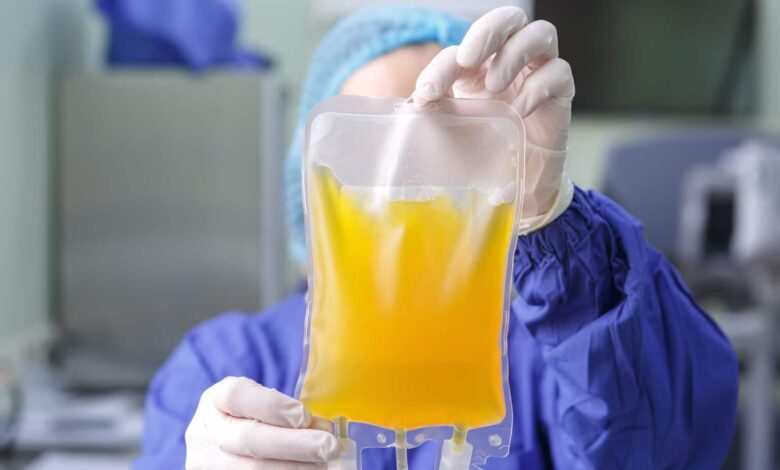
If you have ever considered becoming a plasma donor, one of the first questions that pops into your head is surprisingly practical. You are not just wondering how the process works or whether it is safe. You are probably thinking about your schedule and asking yourself how often you can realistically fit this into your life.
It makes sense. Donating plasma is generous, but it also takes time and energy. Between work, family, and everything else on your plate, you want to know what is reasonable and sustainable.
There is also a deeper motivation behind that question. People who decide to donate usually want to help consistently, not just once. They want to know how much of a difference they can make and how often their body can safely handle the process.
That is where understanding donation frequency becomes important. When you know what your body can comfortably manage, you can create a routine that supports both your health and the needs of patients who depend on plasma therapies.
What Plasma Does and Why Regular Donations Matter
Plasma is the liquid part of your blood that carries proteins, antibodies, and nutrients throughout your body. It plays a huge role in clotting, immunity, and overall balance. When you donate plasma, that liquid is separated out and used to create medications for people with serious medical conditions.
These treatments help patients with immune disorders, bleeding problems, burns, and certain neurological diseases. In many cases, plasma based therapies are not optional. They are ongoing, sometimes lifelong treatments that keep people stable and functional.
Because of this, the need for plasma never really goes away. Hospitals and pharmaceutical manufacturers rely on a steady stream of donors rather than one time surges. Regular donations help maintain a consistent supply so that patients are not left waiting.
That steady demand is exactly why people ask about frequency. If your plasma can be replenished quickly, you might be able to help more often than you think. Understanding how your body recovers is the key to answering that question.
How plasma donation differs from whole blood donation
Many people compare plasma donation to giving whole blood, but they are not the same. With whole blood, you lose red cells, white cells, platelets, and plasma all at once. Your body needs more time to rebuild everything, which is why blood donation usually requires longer breaks between visits.
Plasma donation uses a process called plasmapheresis. Blood is drawn, the plasma is separated out, and the remaining components are returned to your body. Since you get most of your blood cells back, recovery tends to be faster.
This difference is what allows plasma donors to give more frequently. You are not draining your entire blood supply, just collecting the portion your body replaces relatively quickly. For many people, that makes regular donation more manageable.
So, How Often Can You Donate Plasma Safely
Here is the question people search for directly, how often can you donate plasma. In many regulated programs, healthy individuals can donate up to twice in a seven day period, with at least one day between donations. That might sound like a lot at first, but it is based on how quickly your body replenishes plasma.
Plasma volume typically returns to normal within a day or two. Proteins also recover fairly quickly for most healthy adults who eat and hydrate well. This is why centers can safely schedule donors multiple times a week without compromising their health.
Of course, twice a week is the maximum for many programs, not a requirement. Some people choose to donate once a week or a few times a month instead. The best schedule is one that fits your lifestyle and leaves you feeling good, not drained.
It is also important to remember that every donation involves a brief health screening. If your protein levels, blood pressure, or other markers are off, staff may ask you to wait. These checks help ensure that frequency never comes at the expense of your well being.
Factors that influence how often you personally should donate
While guidelines set the upper limit, your personal comfort matters just as much. Some donors feel perfectly fine after two visits a week. Others prefer spacing them out more.
Hydration plays a big role. If you are well hydrated and eating balanced meals, you will likely recover faster. Poor sleep or stress can make you feel more tired afterward, even if the donation itself goes smoothly.
Body size and overall health also matter. People with higher body weight or strong protein intake sometimes tolerate frequent donation more easily. Listening to your body is essential, and there is no harm in slowing down if you need extra time between visits.
What Happens Inside Your Body After Each Donation
It is helpful to know what your body is actually doing after you donate. Once plasma is removed, your system immediately begins replacing lost fluid. You might notice thirst, which is simply your body signaling that it needs water.
Within about 24 to 48 hours, plasma volume typically returns to normal. Your liver and other organs ramp up production of proteins and other components. This quiet rebuilding process happens automatically, without you even noticing most of the time.
That said, you may feel a bit tired right after a session. This is normal and usually short lived. A snack, some fluids, and a little rest are often all it takes to feel like yourself again.
Understanding this recovery cycle helps explain why spacing donations makes sense. Giving your body time to reset ensures that each visit remains safe and comfortable.
Simple habits that support faster recovery
If you want to donate regularly, a few small habits can make a big difference. Drinking plenty of water before and after your appointment helps replace lost fluid quickly. Staying hydrated also makes the donation itself easier.
Eating protein rich foods supports the rebuilding of plasma proteins. Think eggs, beans, yogurt, fish, or lean meats. These nutrients give your body the building blocks it needs.
Sleep matters too. Getting enough rest allows your body to recover more efficiently. When you treat donation like any other physical activity and support it with good habits, the experience usually feels much smoother.
Building a Sustainable Donation Routine
Once you understand the science, the next step is practical. How do you turn good intentions into a routine you can actually maintain. For many people, consistency beats intensity.
Instead of trying to donate as often as possible right away, start slowly. Maybe go once a week and see how you feel. If that feels easy, you can consider increasing frequency later.
Scheduling helps a lot. Treat your donation like a regular appointment, the same way you would a workout or grocery trip. When it becomes part of your calendar, it feels less like an extra task and more like a normal part of your week.
Over time, you might find that the donation center becomes a familiar place. You recognize the staff, know the process, and settle into a comfortable rhythm. That familiarity reduces stress and makes it easier to keep showing up.
Balancing generosity with self care
It is admirable to want to help as much as possible, but pushing yourself too hard is not necessary. Donating should feel sustainable, not exhausting. Taking care of yourself ensures you can keep helping others in the long run.
If you ever feel unusually tired, dizzy, or unwell, it is perfectly fine to skip a session. Donation centers would rather have healthy, long term donors than people who burn out quickly. Listening to your body is part of being responsible.
Remember, even one donation a month still makes a difference. Consistency over time often matters more than short bursts of activity.
Why Your Consistency Truly Matters
Plasma donation is one of those rare actions where small, repeated efforts add up to something big. One visit helps. A year of regular visits can support dozens of treatments for people who rely on them.
Patients with immune disorders or clotting problems do not need plasma once. They need it again and again. That ongoing demand is met by donors who show up consistently, not just during special drives or emergencies.
When you find a frequency that works for you, you become part of that quiet, dependable system. You may never meet the people you help, but your commitment becomes woven into their care.
In the end, the question is not just how often you can donate. It is how often you want to show up in a way that fits your life and protects your health. Find that rhythm, stick with it, and you will be making a real difference without turning your world upside down.


