Key Takeaways
Textured brick wall panels provide an aesthetic reminiscent of traditional brick but are crafted from high-density materials that resist moisture, enhancing their durability. Not only are they a cost-effective alternative to real brick, but they also help reduce expenses related to both materials and installation.
Due to their lightweight construction, faux brick panels simplify the installation process, alleviating concerns over structural weight, which makes them perfect for a variety of remodeling endeavors.
A broad selection of finishes exists for faux brick panels, ranging from smooth to weathered and color-washed options, appealing to various design tastes and interior styles.
Incorporating textured brick wall panels into already established decor fosters visual cohesion, particularly when combined with wooden or metal accents and contrasting colors aimed at highlighting specific decor features.
For those who enjoy DIY projects, planning and execution are critical for success with faux brick panel installation. Measuring, ensuring a clean surface, and utilizing basic tools like adhesive and a utility knife are essential steps to keep in mind.
Engaging professional installers typically involves an initial consultation, a defined timeline, and ongoing communication throughout installation to guarantee alignment with the client’s vision.
Maintaining faux brick panels is relatively simple. Regular dusting and occasional mild cleaning will suffice. Applying protective coatings can significantly extend their lifespan.
Transform Your Home: The Benefits of Textured Brick Wall Panels
Why Faux Brick Panels Outshine Traditional Materials
Today’s homeowners desire a combination of visual appeal and practicality. Textured brick wall panels provide just that, delivering a striking visual effect without the steep costs associated with genuine brick. Specifically, these panels are designed to replicate the rich textures and hues of traditional brick, yet their manufacturing process enhances their durability through the use of high-density materials that resist moisture.
Traditional brickwork can often be labor-intensive and necessitates a specialized skill set. Faux brick panels, conversely, can be installed with relative ease, making them accessible for those who enjoy DIY projects. They offer remarkable visual interest while helping to reduce labor costs.
What’s more, these panels are lightweight. Those who have worked with heavy traditional brick understand how it can influence structural decisions. Textured brick wall panels provide the appearance without the weight, a crucial advantage in renovations where weight-bearing limitations matter.
The Cost-Effectiveness of Faux Brick: Design on a Budget
In home design, staying within budget is a priority for many clients. This is precisely where faux brick excels. The initial costs are significantly lower than that of real brick, and it doesn’t even take into account the savings associated with installation. Generally, the price of textured brick wall panels is substantially less than traditional materials, making it a budget-friendly alternative.
Moreover, the durability of these materials plays an important role in their cost-effectiveness. Unlike traditional options, they are less prone to wear and tear, leading to decreased maintenance expenses over time. Homeowners seek value, and textured brick wall panels certainly provide that.
- Lower material costs compared to traditional brick
- Reduced installation costs due to lightweight design
- Minimal maintenance expenses over time
Choosing the Perfect Style: A Guide to Textured Brick Wall Designs
Popular Finishes and Textures for Faux Brick Panels
The variety of finishes and textures available in faux brick panels is impressive. Homeowners can select from smooth to rough finishes, a range of shades, and even weathered looks that mimic the natural aging of classic brick. This versatility invites exciting customization possibilities, allowing each space to reflect its unique narrative.
Consider an example: a distressed appearance can lend an industrial vibe, ideal for contemporary urban residences. In contrast, a smoother finish might complement minimalist designs, elevating the chic quality of the space. Ultimately, personal choice plays a role, but it must align with the intended emotional atmosphere of the area.
The following finishes are commonly favored by designers:
- Rustic Weathered: Perfect for achieving an aged or industrial aesthetic.
- Smooth and Polished: Excellent for modern and minimalist looks.
- Color-Washed Variants: Offers flexibility in matching existing color palettes.
Matching Faux Brick Panels with Your Interior Decor
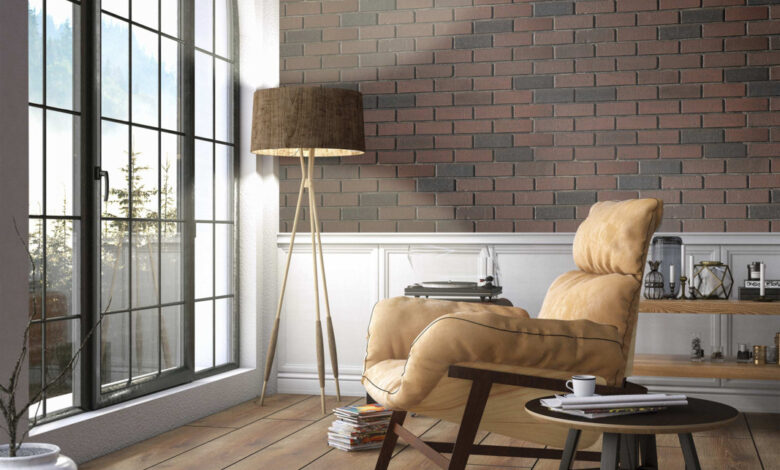
Consider the overall theme of the home when doing so. For example, combining textured brick wall panels with wooden features can project a warm, inviting ambiance. Likewise, they harmonize beautifully with sleek metal accents, creating a pleasing contrast between soft and hard materials.
Contrasting colors can serve to highlight specially chosen furniture or artwork. A dark faux brick wall can become a stunning backdrop for vibrant decor, enhancing both the panel and the surrounding elements.
Cohesion is key. Here’s how to seamlessly integrate faux brick into interior design:
- Identify the dominant colors within the space.
- Select a brick texture that complements existing materials.
- Consider incorporating framing or molding to unify the overall look.
Installation Insights: How to Achieve a Flawless Finish
Step-by-Step Installation Tips for DIY Enthusiasts
For those who enjoy tackling DIY projects, installing textured brick wall panels can be both satisfying and straightforward. It’s not as complex as it may seem at first glance. A systematic approach can yield professional-quality results.
“Planning is half the battle. The other half is execution.”
Begin with thorough planning. Take precise measurements of the wall area to determine how many panels are required. It’s crucial to ensure a clean, dry wall surface for excellent adhesion. Afterward, only a few basic tools and materials are necessary: adhesive, a utility knife, and a level.
Here’s a streamlined outline of the installation process:
- Measure the wall and devise your layout.
- Clean the surface thoroughly to ensure proper adhesion.
- Cut panels as needed using a utility knife.
- Apply adhesive evenly, firmly attaching the panels for alignment.
- Seal edges where necessary to finalize the appearance.
Hiring Professionals: What to Expect During Installation
Not every homeowner feels inclined to dive into a DIY project. Luckily, hiring professionals can also be a smooth and fulfilling experience. Experts offer speed and expertise, ensuring that each panel is carefully placed. But what can clients expect when collaborating with professionals?
Typically, a consultation will kick off the process, providing clients the opportunity to convey their vision. Professionals will evaluate the work area, suggest options, and present a precise estimate. Effective communication throughout the installation is crucial—clients should not hesitate to ask questions or voice any concerns.
Here’s what is typically seen during the hiring process:
- Initial consultation to talk about style and budget.
- A detailed timeline and cost estimate presented upfront.
- Clear communication maintained throughout installation for adjustments or queries.
Maintenance Made Easy: Keeping Your Faux Brick Panels Pristine
Essential Care Tips for Long-Lasting Beauty
The allure of faux brick wall panels doesn’t end with their installation; it continues with maintenance. Caring for textured brick wall panels is largely hassle-free. Regular cleaning will keep the panels in optimal condition, utilizing a soft-bristle brush or a damp cloth to eliminate dust and debris. For tougher stains, mild soap and water can be quite effective.
Here’s an important point: A protective coating applied periodically can enhance the panels’ longevity and overall appearance. It’s all about minor maintenance efforts that yield significant benefits. Being knowledgeable about the materials and their care can lead to dramatically better results.
- Dust regularly using a soft-bristle brush.
- Employ mild soap and water for stubborn stains.
- Consider a protective coat every few years to ensure durability.
Common Myths About Faux Brick Maintenance Debunked
Despite their growing popularity and reliability, numerous myths regarding the maintenance of faux brick panels linger. Misconceptions may deter potential users. For instance, there’s a common belief that maintaining textured brick wall panels demands the same intensive upkeep as traditional bricks. In reality, these panels are engineered for resilience.
Another myth? That they can’t endure harsh weather conditions. In outdoor applications, faux panels are designed to withstand UV exposure and moisture, making them suitable for various climates.
“Treat faux brick like any modern material, and it’ll serve you well for years.”
Being well-informed empowers homeowners to maximize their investment in faux brick panels. Dispelling these myths fosters confidence in choosing to use them.
- Faux brick panels need minimal upkeep.
- They are durable and weather-resistant.
- No need for specialized cleaning products – just mild soap will do.
FAQ
Can faux brick panels be used outdoors?
Definitely, faux brick panels are constructed to withstand outdoor elements. Their design resists UV exposure and moisture, making them a reliable choice for external applications.
Are there specific brands or manufacturers renowned for faux brick panels?
While numerous brands offer quality faux brick panels, some stand out for their durability and design. Researching reviews and customer feedback can help pinpoint top manufacturers.
Do faux brick wall panels have any fire resistance properties?
Many faux brick panels are made from materials that provide fire resistance. However, it’s wise to check the manufacturer’s specifications to confirm their safety compliance.
How do faux brick panels compare to other wall paneling options?
Textured brick wall panels distinguish themselves through aesthetic appeal and cost-effectiveness. Unlike various alternatives, they offer a combination of durability and style while avoiding the heavy installation requirements of traditional products.
What are the environmental impacts of using faux brick panels?
Many faux brick panels are made from recycled materials, rendering them a more sustainable option compared to conventional brick. Selecting eco-friendly products can enhance the overall green footprint of any project.
How long can one expect faux brick panels to last?
With proper care and maintenance, faux brick panels can endure for decades. Their resistance to typical wear and their low upkeep contribute to their longevity.
Can textured brick wall panels help with insulation or soundproofing?
Faux brick panels can offer some insulation and sound-dampening qualities due to their material construction. Though they’re not a replacement for specific insulation products, they can enhance a space’s comfort and ambiance.
Is professional installation necessary for faux brick panels?
While professional installation remains a viable option, many homeowners successfully install faux brick panels themselves. With careful planning and basic tools, DIY enthusiasts can achieve stunning results.
Useful Resources
- House Beautiful: A source for home design inspiration, style tips, and remodeling guidance.
- HGTV: Offers a plethora of home improvement ideas, DIY projects, and expert advice.
- DIY Network: A comprehensive guide on a number of DIY projects, including home decor and renovation.
- Architectural Digest: Features insights on design trends, architecture, and innovative materials.
- Popular Mechanics – Home Improvement: Delivers practical advice on home improvement, DIY efforts, and product evaluations.
- This Old House: A valuable resource for advice on home renovations and detailed project guides.
- Fine Homebuilding: Shares expertise on construction and remodeling with a focus on quality materials and techniques.
- JLC Online: A journal aimed at residential construction professionals, featuring tips on materials and installation methods.