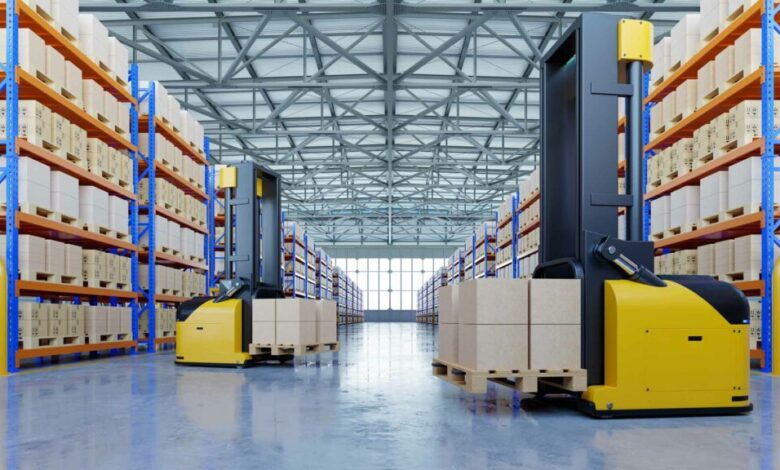
Space has always been a problem. Cities run out of it. Businesses compete for it. Homeowners try to squeeze more value from what they already have. For decades, the solution was simple but inefficient, build bigger, stack higher, expand outward. That approach worked for a while, but it is no longer sustainable in many settings.
Over the last few years, a quieter shift has been taking place. Instead of expanding physical footprints, organizations are rethinking how space itself is used. This is where automated storage units enter the conversation. Not as a futuristic gimmick, but as a practical response to real world limitations.
What Automated Storage Really Means
At its core, automated storage is about removing unnecessary human movement from the storage process. Instead of people walking, driving, lifting, and searching, technology handles placement and retrieval with precision.
These systems rely on mechanical handling equipment, software controls, and vertical or modular layouts that allow items to be stored densely without sacrificing accessibility. A user requests an item, and the system brings it to a designated access point.
While the technology can sound complex, the idea is surprisingly simple. Store more in less space, retrieve it faster, and reduce the chance of error or damage.
Why Traditional Storage Models Are Struggling
Conventional storage methods were designed around human labor. Aisles need to be wide enough for forklifts or vehicles. Items are often spaced out for visibility rather than efficiency. Over time, this leads to wasted square footage and higher operating costs.
Inefficient Use of Vertical Space
Most traditional facilities use only a fraction of their available height. Ceilings soar above racks or shelves that stop well below their potential limit. Automated systems are designed to take advantage of vertical space safely and consistently.
Labor and Time Constraints
Manual handling takes time and introduces variability. Two people may store the same item differently. Retrieval depends on memory, labeling, and availability of staff. Automation removes much of this uncertainty.
Increased Risk of Damage
Human handling increases the chance of impact, misplacement, or exposure to the elements. Automated systems are engineered for controlled movement, reducing wear and tear on stored items.
How Automation Improves Everyday Operations
One of the biggest misconceptions about automation is that it only benefits massive industrial operations. In reality, the advantages show up quickly even at smaller scales.
Faster Retrieval With Less Guesswork
Instead of searching through rows of storage, users interact with a digital interface. The system knows exactly where each item is located and retrieves it on demand. This reduces wait times and frustration.
Better Inventory Control
Automated storage systems track usage patterns, frequency of access, and available capacity. This data helps operators make smarter decisions about space allocation and inventory management.
Consistent Handling Every Time
Machines do not get tired, distracted, or rushed. Items are stored and retrieved using the same process every time, which improves reliability and reduces mistakes.
Applications Beyond Warehouses
When people hear about automated storage, they often think only of distribution centers or large factories. The reality is much broader.
Automotive and Vehicle Storage
High density storage systems are increasingly used to store vehicles in limited spaces. Instead of sprawling parking areas, vehicles are stored vertically and retrieved as needed. This approach reduces land use while keeping vehicles protected.
Marine and Specialty Equipment Storage
Large equipment requires careful handling and protection. Automated systems allow for secure storage that minimizes exposure and damage, while still making retrieval efficient.
Archival and Document Storage
Sensitive records and materials benefit from controlled environments and limited handling. Automation ensures items are accessed only when needed and tracked accurately.
The Role of Software in Smart Storage
Hardware gets most of the attention, but software is what makes automation truly effective.
Intelligent Control Systems
Modern systems use software to manage movement, scheduling, and safety protocols. Requests are prioritized, routes are optimized, and conflicts are avoided automatically.
User Friendly Interfaces
Despite the complex technology behind the scenes, user interfaces are often simple. Touchscreens, apps, or web portals allow users to request items without technical training.
Integration With Existing Systems
Automated storage can connect with inventory management, billing, or operational software. This creates a seamless flow of information across departments.
Safety and Reliability Considerations
Any system that moves heavy items must be designed with safety as a top priority.
Built In Safeguards
Sensors, barriers, and controlled access points protect both users and stored items. The system stops or adjusts when unexpected conditions are detected.
Reduced Workplace Hazards
By limiting manual lifting and vehicle movement, automation lowers the risk of workplace injuries. This benefits both employees and organizations.
Predictable Maintenance
Automated systems follow defined maintenance schedules. Components are monitored for wear, allowing issues to be addressed before failures occur.
Environmental and Energy Impacts
Automation is often associated with high energy use, but modern systems are designed with efficiency in mind.
Smaller Footprints, Lower Impact
By storing more in less space, automated facilities reduce the need for new construction. This limits land use and material consumption.
Energy Efficient Operation
Many systems use regenerative drives, smart scheduling, and low energy standby modes. Over time, this can result in lower energy usage compared to traditional facilities.
Long Term Sustainability
Durable materials and modular designs extend system lifespan. Upgrades can be made without replacing entire structures.
Addressing Common Concerns About Automation
Despite the benefits, some hesitation remains around adopting automated storage.
Fear of Complexity
While the technology is advanced, daily operation is often simpler than manual systems. Training requirements are typically minimal.
Cost Considerations
Initial investment can be higher, but long term savings from reduced labor, improved efficiency, and better space use often offset the upfront cost.
Flexibility and Scalability
Modern systems are designed to grow with demand. Modules can be added, software updated, and layouts adjusted as needs change.
How Automated Storage Fits Into the Future of Space Management
As space becomes more valuable, efficiency will matter more than ever. Automation offers a way to adapt without constant expansion.
The conversation is shifting from how much space is available to how well that space is used. Automated storage units represent a practical step in that direction, offering solutions that balance technology with real world needs.
A Quiet Revolution With Lasting Impact
Unlike flashy consumer technologies, automated storage does not demand attention. It works in the background, improving operations day by day. Its impact is measured not in novelty, but in time saved, space reclaimed, and processes simplified.
As industries continue to evolve, storage will no longer be an afterthought. It will be a strategic asset, shaped by systems designed to work smarter rather than bigger.