Education is the cornerstone of personal development, economic mobility, and social cohesion. Historically, traditional schooling systems frequently operated on rigid, standardized models that separated students who deviated from the perceived norm. Learners with physical disabilities, neurodivergent conditions, socioeconomic hurdles, or linguistic differences were often relegated to isolated environments or excluded entirely from mainstream academic experiences.
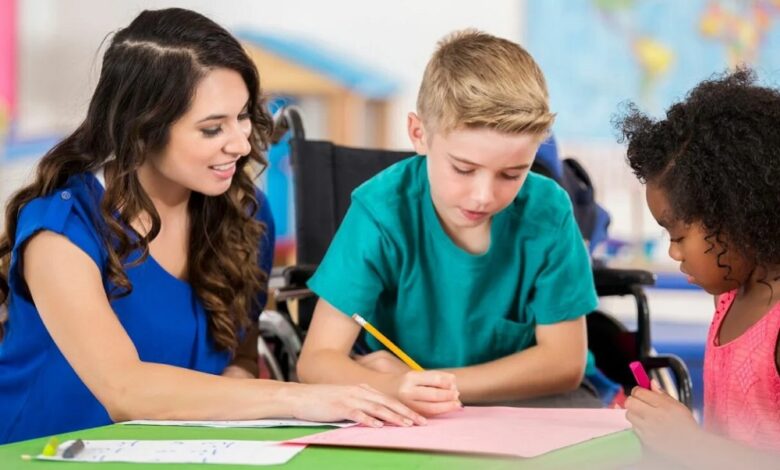
In contrast, inclusive education redefines the educational landscape by asserting that every child has an inherent right to learn alongside their peers in a shared, accessible environment. Rather than forcing diverse students to assimilate into an inflexible system, inclusive schooling adapts institutional structures, pedagogical methods, and physical spaces to meet the varied needs of all learners. By breaking down systemic barriers and fostering collaborative learning, inclusive education creates equal opportunities, enriches classroom dynamics, and prepares young people to thrive in an interconnected global community.
The Core Philosophy of Inclusive Learning
At its foundation, inclusive education is built on the premise that diversity is an asset rather than a deficit. It recognizes that every student brings unique perspectives, learning preferences, and life experiences into the classroom.
Moving Beyond Simple Integration
It is essential to distinguish genuine inclusion from passive integration. Integration often places students with diverse needs into mainstream classrooms without adjusting the underlying instructional approach or support systems. In such settings, students are expected to keep pace using identical materials and methods, which can deepen feelings of inadequacy and isolation.
True inclusion involves transforming the entire learning ecosystem. It redesigns curricula, utilizes adaptive technologies, modifies physical layouts, and provides targeted scaffolding so that every learner actively participates, understands the material, and feels valued as a vital member of the school community.
Promoting Equity Over Uniformity
A central tenet of inclusive education is the crucial difference between equality and equity. Equality provides every student with the exact same textbook, assignment, and timeframe regardless of individual circumstance.
Equity, however, acknowledges that different learners require distinct tools and pathways to reach the same academic finish line. For instance, providing a student with dyslexia access to text-to-speech software or granting a student with motor processing differences extra time on an exam ensures genuine equity of opportunity.
Pedagogical Frameworks That Support All Learners
Implementing effective inclusive education requires dynamic instructional frameworks that provide multiple ways for students to absorb information, process concepts, and demonstrate mastery.
Universal Design for Learning
Universal Design for Learning serves as a cornerstone of inclusive curriculum design. By anticipating diverse student needs during the initial lesson planning phase, educators eliminate the need for awkward, last-minute modifications. The framework centers around three core principles:
-
Multiple Means of Engagement: Providing varied avenues to spark interest, sustain motivation, and support self-regulation, such as choice in project topics, gamified activities, and collaborative group tasks.
-
Multiple Means of Representation: Presenting concepts through various media formats, including audiobooks, interactive simulations, visual charts, closed-captioned video, and tactile objects alongside printed text.
-
Multiple Means of Action and Expression: Offering students flexible alternatives to showcase their understanding, allowing options such as oral presentations, multimedia portfolios, podcasts, or physical demonstrations in place of traditional written tests.
Differentiated Instruction in Practice
While Universal Design for Learning focuses on overall curriculum design, differentiated instruction addresses daily classroom delivery. Teachers continuously evaluate student readiness and learning profiles to customize lesson content, classroom activities, and performance metrics.
Through flexible grouping, tiered assignments, and varied pacing, educators ensure that advanced learners remain challenged while students requiring extra support receive targeted reinforcement without feeling singled out.
Societal and Developmental Benefits of Inclusive Classrooms
The positive impacts of inclusive education extend far beyond standardized test scores, fostering cognitive, emotional, and social growth across the entire student population.
Enhanced Cognitive and Academic Growth for All Students
Extensive educational research confirms that general education students in inclusive classrooms perform as well as, or better than, their peers in non-inclusive settings.
When teachers employ diverse instructional strategies to support students with specialized needs, every child benefits from the clearer explanations, multisensory materials, and structured review sessions. Furthermore, peer tutoring and collaborative problem-solving deepen subject mastery for both the student explaining the concept and the student receiving guidance.
Cultivating Empathy, Compassion, and Social Cohesion
Segregated learning environments unintentionally foster prejudice, stereotypes, and fear of difference. When children learn, play, and solve problems side by side from an early age, diversity becomes a normal aspect of daily life.
-
Students build deep empathy by observing and supporting the varied challenges faced by their classmates.
-
Stereotypes surrounding physical disabilities and neurodivergence are dismantled through direct, authentic daily interaction.
-
Learners develop advanced conflict resolution, active listening, and collaborative teamwork skills that serve them throughout their adult lives.
Preparing Students for a Diverse Global Workforce
Modern workplaces are increasingly global, diverse, and collaborative. Employers actively seek individuals who navigate different perspectives, communicate across varied mediums, and demonstrate emotional intelligence. Students who spend their developmental years in inclusive classrooms naturally transition into these professional environments with open minds, adaptable communication styles, and strong interpersonal awareness.
Essential Support Systems for Successful Implementation
Building a truly inclusive school requires systemic investment, specialized resources, and close collaboration among administrators, educators, families, and specialized professionals.
Collaborative Teaching and Multi-Disciplinary Teams
Inclusion is rarely successful when left entirely to a single general education teacher. Modern inclusive schools implement co-teaching models that pair general educators with certified special education specialists, English language acquisition instructors, and instructional aides.
Additionally, speech pathologists, occupational therapists, and school psychologists collaborate directly within general classrooms, integrating therapeutic interventions seamlessly into daily academic routines rather than pulling children out for isolated sessions.
Continuous Professional Development and Administrative Support
Educators require ongoing, hands-on training to master assistive technologies, positive behavioral support systems, and collaborative lesson planning. School district leadership must allocate dedicated planning time for co-teachers, provide manageable class sizes, and ensure equitable access to modern sensory tools and digital resources.
Frequently Asked Questions
What is the primary difference between mainstreaming and inclusive education?
Mainstreaming typically refers to placing students with special educational needs into standard classrooms only during specific subjects or times when they can demonstrate the ability to keep up with traditional curriculum demands without major modifications. Inclusive education, by contrast, unconditionally welcomes all learners into the general classroom full-time, proactively restructuring instructional practices, learning environments, and assessment systems to accommodate every student.
How does inclusive education affect the academic progress of general education students?
Extensive long-term studies indicate that general education students in inclusive environments maintain equal or higher academic achievement compared to peers in non-inclusive classrooms. The diverse instructional tools, multisensory teaching strategies, and lower student-to-teacher ratios typical of co-taught inclusive settings provide structured academic benefits for the entire student body.
What is an Individualized Education Program and how does it function in an inclusive setting?
An Individualized Education Program is a legally binding document created by a multidisciplinary team—including teachers, specialists, administrators, and parents—tailored to meet the specific learning needs of a student with identified disabilities. In an inclusive classroom, the program outlines exact accommodations, modifications, assistive technologies, and measurable annual goals to ensure the student accesses general curriculum content equitably.
How can schools implement inclusion when operating on constrained budgets?
While certain specialized assistive technologies require dedicated funding, many high-impact inclusive practices require structural and cultural shifts rather than heavy financial investment. Schools can adopt peer-assisted learning frameworks, utilize free and open-source accessibility software, optimize co-planning schedules between existing general and special education staff, and leverage universal design principles during standard textbook adoption cycles.
How do educators manage behavioral challenges without disrupting the inclusive classroom?
Inclusive classrooms rely on proactive systems like School-Wide Positive Behavioral Interventions and Supports and restorative justice practices rather than purely punitive measures. By teaching explicit social-emotional skills, designing low-distraction sensory spaces, analyzing the root triggers behind behavioral outbursts, and utilizing non-verbal de-escalation cues, teachers maintain a calm, productive learning environment for all students.
In what ways does assistive technology empower students in inclusive classrooms?
Assistive technology removes mechanical barriers that prevent students from demonstrating their cognitive abilities. Tools like speech-to-text converters, screen readers, dynamic communication boards, adaptive keyboards, and personalized magnification software allow learners with visual, auditory, motor, or processing differences to interact directly with lesson materials, participate in discussions, and complete assignments independently.
How does inclusive education accommodate students who are gifted and talented alongside struggling peers?
Through differentiated instruction and tiered assignments, teachers provide open-ended, complex tasks that stretch advanced learners while simultaneously providing structured scaffolding for students working toward foundational mastery. Gifted students engage in independent research projects, creative problem-solving challenges, and advanced conceptual applications that encourage deep analytical thinking rather than simply receiving more busywork.