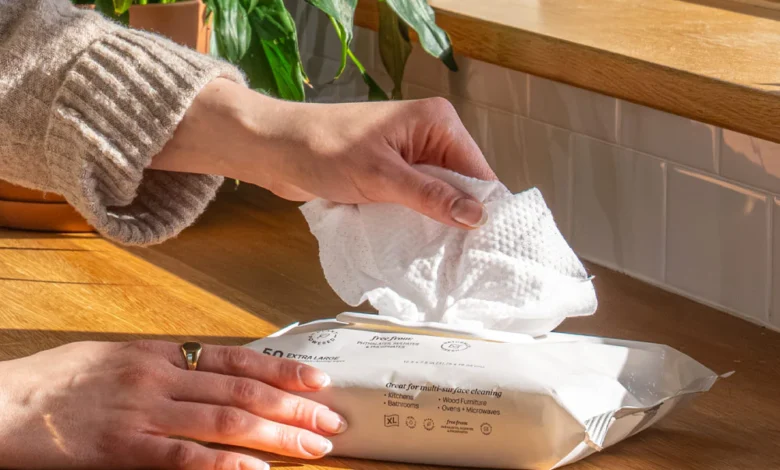
Key Takeaways
Surface cleaning wipes play a crucial role in upholding hygiene standards, particularly in settings susceptible to germs such as healthcare facilities, schools, and restaurants.
Research indicates that around 80% of infectious diseases spread via contaminated surfaces, underscoring the importance of proactive cleaning to mitigate health risks.
Consistent application of surface cleaning wipes on frequently touched surfaces can drastically lower the spread of pathogens, fostering a safer environment.
Incorporating surface cleaning wipes into daily workflows not only enhances cleanliness but also demonstrates an organization’s dedication to hygiene, which can boost trust among guests and employees.
High-quality surface cleaning wipes offer a cost-efficient alternative to traditional cleaning methods, delivering benefits including lower illness rates and heightened employee productivity.
Evaluating the effectiveness of surface cleaning wipes through regular audits and employee feedback allows organizations to refine their hygiene protocols, achieving elevated cleanliness standards.
Successful case studies illustrate that implementing surface cleaning wipes can lead to marked improvements in cleanliness and customer satisfaction across various sectors.
Maximizing Hygiene: The Power of Surface Cleaning Wipes
Upholding high hygiene standards can be overwhelming, especially in places like healthcare facilities, restaurants, and schools where germs are prevalent. Surface cleaning wipes have become an indispensable tool in combating cross-contamination risks. Their ease of use and efficacy make them ideal for any cleaning regimen.
Cross-contamination presents serious health hazards. Pathogens can easily move from one surface to another, resulting in infections that jeopardize public health. Many cleaning professionals estimate that approximately 80% of infectious diseases are transmitted via contact with contaminated surfaces. This concerning figure emphasizes the urgent need for rigorous cleaning practices.
Understanding Cross-Contamination Risks
The notion of cross-contamination might appear simple, yet its consequences are significant. In healthcare environments, for instance, contaminated surfaces can harbor bacteria for days or even weeks. That’s where surgical solutions, like surface cleaning wipes, step in. They not only help in diminishing microbial presence but also serve as a proactive measure to protect patient well-being.
High-touch areas, including light switches, doorknobs, and medical tools, need special attention. Experts recommend applying disinfecting wipes on these surfaces several times daily to greatly reduce germ levels. This strategy can cut down pathogen transmission rates and ultimately promote healthier surroundings for both staff and patients.
How Wipes Promote a Safer Environment
Using surface cleaning wipes contributes to a cleaner, more secure environment. Fast to deploy and simple to use, they integrate seamlessly into existing cleaning protocols. Their design allows staff to efficiently wipe down surfaces, eradicating harmful pathogens while conserving valuable time.
- Versatile Applications: Suitable for a variety of surfaces, from countertops to furniture and medical devices.
- Instant Cleaning Solution: Wipe-and-go convenience allows for quick responses to any mess.
- Enhanced Compliance: Frequent use of wipes promotes adherence to hygiene standards among staff.
In high-pressure settings, these wipes can significantly cut cleaning times while improving hygiene compliance across teams. Less time spent on cleaning means more focus on primary duties.
Transforming Cleaning Protocols with Wipes
For organizations aiming to elevate their cleaning protocols, incorporating surface cleaning wipes is essential. A robust sanitization strategy not only saves lives but also makes sound business sense. A consistent method including wipes clarifies any cleaning routine.
Integrating Surface Cleaning Wipes into Daily Routines
Businesses that seek to elevate their cleaning efforts find that weaving wipes into their daily routines is a straightforward yet effective strategy. Training staff on proper usage can lead to noticeable improvements in cleanliness levels.
- Daily Staff Training: Hold brief sessions to emphasize the importance of hygiene and effective use of cleaning wipes.
- Supply Management: Ensure wipes are easily accessible at critical points, making them impossible to overlook.
- Set Cleaning Schedules: Define clear times for regular wipe-downs of high-touch surfaces.
By integrating wipes into everyday operations, organizations demonstrate their commitment to hygiene, not just to their employees but also their guests and patients. People tend to notice when environments are kept clean—and it can greatly influence their trust.
Best Practices for Effective Use
While surface cleaning wipes are effective independently, some best practices can enhance their impact. Using wipes without a clear method might waste their potential. Adhering to a few best practices can truly elevate results.
- Follow the Instructions: Always read the label to maximize their disinfecting capabilities.
- Proper Technique: Wipe in one direction to avoid spreading contaminants.
- Time for Contact: Ensure surfaces remain wet for the recommended duration to achieve optimal results.
Research indicates that a systematic approach to using wipes can elevate any sanitation strategy significantly. Regular compliance results in cleaner surfaces and thus healthier environments.
Surface Cleaning Wipes: A Strategic Investment
Investing in high-quality surface cleaning wipes provides long-term advantages. Environmentally responsible organizations understand that investments in hygiene yield broader benefits. Cleaner facilities lead to increased employee satisfaction, which can reduce turnover and enhance productivity.
Cost-Effectiveness vs. Traditional Methods
A prevalent misconception is that surface cleaning wipes incur higher costs compared to traditional cleaning methods. However, when weighing the advantages and disadvantages, many sectors discover that the expenses associated with advanced cleaning products are minimal when contrasted with the costs incurred from outbreaks caused by poor hygiene practices.
- Low Direct Costs: User-friendly wipes generally feature a clear pricing structure.
- Indirect Savings: Lower illness rates mean fewer lost workdays.
- Time Efficiency: Rapid cleaning reduces disruption to everyday operations.
Firms frequently notice quick returns on their investments, especially when considering the savings linked to enhanced employee morale and productivity. From an operational perspective, using wipes can lead to improved cleaning processes that require less time and fewer resources.
Measuring Impact on Hygiene Standards
Setting clear metrics aids in evaluating the influence of surface cleaning wipes on hygiene standards within an organization. It is essential to determine what data to gather and how to analyze it. Simple key performance indicators (KPIs) can provide valuable insights.
- Routine Audits: Carry out regular checks on surface cleanliness.
- Employee Surveys: Collect feedback on staff perceptions regarding hygiene levels.
- Incident Reports: Monitor any hygiene-related incidents and relate them to cleaning practices.
By continuously tracking these metrics, businesses can discern the tangible advantages of using wipes and refine their strategies as needed. This degree of diligence enables leaders to make informed decisions about cleanliness moving forward.
Real-World Applications: Success Stories with Cleaning Wipes
The benefits of surface cleaning wipes are observable across various industries, particularly in fields where hygiene is paramount. Real-world applications highlight their value, transforming facilities from routine to exceptional in terms of cleanliness.
Case Studies: From Healthcare to Hospitality
In healthcare contexts, the advantages of surface cleaning wipes are evident. A hospital in California reported a 40% drop in infection rates following their integration into infection control protocols. Staff noted a more efficient cleaning routine, resulting in significantly less time allocated to sanitation tasks.
Likewise, a chain of restaurants in New York implemented surface cleaning wipes to sustain high hygiene standards during the COVID-19 pandemic. They experienced a marked reduction in customer complaints related to cleanliness once the use of wipes became a standard procedure.
A cleaning director stated, “Within just weeks, our customers noticed the difference in cleanliness. Wipes transformed our approach to hygiene.”
These instances emphasize the importance of adopting a proactive stance towards sanitation. Organizations that strategically utilize wipes frequently receive positive feedback from both employees and customers.
Client Testimonials and Positive Outcomes
Testimonials from clients often underscore the simplicity and effectiveness of using surface cleaning wipes. A school principal expressed, “Our custodial staff loves how easy it is to keep surfaces clean and safe for our students.” Such comments reinforce the value of incorporating wipes into daily practices.
Integrating surface cleaning wipes into workflows simplifies cleaning and helps establish trust with guests and clients. A clean environment positively reflects on the entire organization.
- Increased Satisfaction: Delighted clients are more inclined to return and share their positive experiences.
- Brand Loyalty: A strong commitment to cleanliness becomes part of the brand’s identity.
- Community Health Impact: Cleaner environments positively affect the broader community.
Ultimately, the goal is to create spaces where individuals feel safe and cared for—an objective that’s timeless and continues to be a high priority for organizations across sectors.
FAQ
What types of surfaces are best cleaned with surface cleaning wipes?
Surface cleaning wipes excel on a variety of surfaces, including countertops, light switches, desks, and medical devices. Their versatility is key in maintaining hygiene across diverse environments, making them ideal for settings ranging from healthcare facilities to restaurants.
How do surface cleaning wipes compare to spray cleaners?
While spray cleaners can certainly be effective, surface cleaning wipes often provide conveniences and time savings not easily matched by sprays. Wipes eliminate the need for paper towels and bottles, enabling rapid and straightforward cleaning, particularly during peak traffic times.
Are some surface cleaning wipes more effective than others?
Yes, effectiveness can vary widely among products. Experts advise choosing wipes that are EPA-approved and designed to eliminate various pathogens for the best results. Checking reviews or testing a few different brands can help in selecting the right option.
Can surface cleaning wipes contribute to eco-friendly practices?
Indeed, many manufacturers are now producing environmentally responsible surface cleaning wipes. These products usually include biodegradable materials and eco-friendly ingredients, helping businesses maintain cleanliness without compromising their commitment to sustainability.
How frequently should businesses replenish their supply of cleaning wipes?
Organizations should track usage trends to establish effective restocking schedules. High-traffic areas may necessitate daily checks, while less frequented spaces might be efficiently managed on a weekly basis to maintain hygiene consistency.
What training do staff need for effective use of cleaning wipes?
Training should encompass proper techniques, like reading instructions, wiping in one direction, and ensuring surfaces are adequately wet for sufficient contact time. Brief, regular training sessions can ingrained best practices and encourage staff accountability.
How do surface cleaning wipes affect employee morale?
Implementing efficient cleaning protocols with surface wipes enhances the overall workplace atmosphere. Employees often feel safer in a hygienic environment, which can lead to higher satisfaction and potentially improved productivity and retention rates.
Is there a difference in effectiveness between antimicrobial and disinfecting wipes?
Absolutely. Antimicrobial wipes focus on specific bacteria and some viruses, whereas disinfecting wipes are formulated to eradicate a wider array of pathogens. The selection between them should align with the particular hygiene objectives of the environment where they will be utilized.
Useful Resources
- Centers for Disease Control and Prevention (CDC)– Comprehensive information on infection control and hygiene practices.
- World Health Organization (WHO)– Global health guidelines and resources related to hygiene and sanitation.
- Occupational Safety and Health Administration (OSHA)– Resources focused on workplace safety, including sanitation standards.
- The American Cleaning Institute– Educational resources on effective cleaning and disinfecting practices.
- Vital Health– Research and resources on hygiene efficacy and health outcomes.
- National Center for Biotechnology Information (NCBI)– Articles exploring the science of cleaning and disinfectants.
- Indian Health Service (IHS)– Information on health and hygiene, particularly within healthcare settings.
- Cleaning Business Today– Insights and best practices for cleaning and sanitation across various industries.
- American Academy of Pediatrics– Guidelines for maintaining hygiene in schools and childcare environments.


