Key Takeaways
Investments in orthodontic care lead to significant improvements in dental appearance and overall oral health. Misalignment can cause issues like jaw pain and gum disease, so addressing these concerns is crucial.
Personalized orthodontic treatments leverage advanced technology and expertise, offering tailored solutions that meet each patient’s needs, ultimately enhancing confidence and quality of life.
Client success stories illustrate the transformative power of orthodontic treatment, often resulting in boosted self-esteem and improved emotional well-being after procedures like braces or aligners.
The initial consultation plays a vital role in setting expectations. Discussions about treatment options, costs, and addressing potential discomfort are essential to build trust and foster patient engagement.
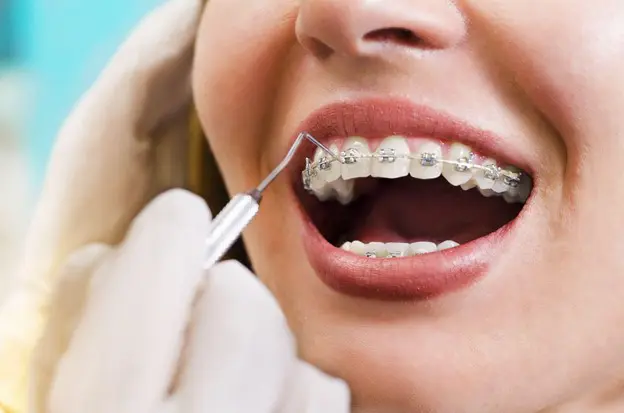
Orthodontic treatment options include traditional braces for severe alignment issues and clear aligners for those prioritizing aesthetics. The choice largely depends on personal circumstances.
Innovative technologies such as 3D imaging and digital treatment planning refine the precision and efficiency of orthodontics, allowing patients to visualize their treatment progress in real-time.
Post-treatment care is equally important for achieving lasting results. Regular check-ups and retainer use are crucial for preventing regression and maintaining long-term oral health stability.
Why Choosing an Adelaide Orthodontist is a Big Deal for Your Smile
Unpacking the Value of Professional Orthodontic Care
Investing in orthodontic care goes beyond simply enhancing one’s smile. It signifies a commitment to improved overall dental health. Many people might not understand that misaligned teeth can lead to problems like jaw pain, gum disease, and difficulties while chewing. A tailored approach from an Adelaide orthodontist can effectively tackle these concerns, reshaping not only teeth but also confidence.
With advancements in the field, professionals are now using technology and expertise to create personalized treatments. Each patient’s situation is unique, and what works for one individual may not be suitable for another. That’s why having a dedicated specialist becomes incredibly valuable. A proficient orthodontist will evaluate, strategize, and implement the most effective plan.
Numerous clients experience transformations that extend well beyond aesthetics. Improved oral hygiene, decreased stress while eating, and increased self-esteem are just a few reported benefits. This investment presents a comprehensive enhancement in quality of life.
“Orthodontic treatment has life-changing potential, impacting health, functionality, and self-confidence.”
Client Success Stories: Transformations That Speak Volumes
Diving into client experiences can be remarkably enlightening. Individuals who once felt self-conscious about their smiles often emerge with renewed enthusiasm. Take, for example, a young adult who underwent rigorous treatment with braces. Once the program concluded, their confidence soared. The individual expressed, “I can finally smile without covering my mouth!”
Success stories also emphasize the various degrees of impact that orthodontic treatment can have. While some notice minor changes that drastically alter their self-perception, others undergo significant transformations that can change their lives entirely. Each journey serves as a powerful testament to the potential of dedicated orthodontic care.
- Before and after photographs frequently showcase striking changes.
- Patient testimonials highlight shifts in emotional well-being.
- Statistics indicate increased satisfaction in social situations following treatment.
These narratives not only validate the orthodontic process but also underscore the importance of selecting a reputable orthodontist who understands client needs. Recognizable transformations indeed resonate deeply and can create ripples throughout communities.
The Journey Begins: What to Expect During Your Initial Consultation
Essential Questions to Ask Your Orthodontist
The initial consultation is a pivotal moment. It’s where expectations will be clarified and solutions discussed. Clients often find themselves wondering about timelines, costs, and specifics regarding treatment. Here’s a list of vital questions to consider:
- What type of treatment do you recommend, and why?
- How long will the treatment take?
- What are the potential costs and payment options?
- What kind of aftercare can be expected?
Asking these questions fosters a valuable discussion. Gaining insight into the rationale behind recommendations builds trust. Such a foundation is critical for an effective treatment journey.
Often, patients might forget to inquire about potential discomfort. Understanding what to anticipate can help alleviate worry. Experts advocate for discussions regarding pain management strategies during this initial interaction, promoting a smoother experience.
Understanding Your Customized Treatment Plan
Gathering information is just the beginning. The next important step involves reviewing a personalized treatment plan. Factors like age, dental health, and lifestyle choices will be considered. A skilled orthodontist will delineate the proposed methods, whether they involve traditional braces, clear aligners, or alternative options. Clarity in this stage is essential for motivation.
A typical treatment plan might entail:
- Initial assessment through imagery or 3D scanning.
- A comprehensive timeline outlining key milestones.
- Regular check-up schedules for optimal monitoring.
Every client is unique. Simply put, not every plan can fit into the same mold. The flexibility of treatment options allows for thorough customization. This adaptability holds immense significance. When patients feel like active participants in their orthodontic journey, they’re more inclined to adhere to their treatment.
Types of Orthodontic Treatments: Finding Your Perfect Fit
Braces vs. Aligners: Which Option Wins?
The ongoing debate between braces and aligners has sparked considerable interest among many patients. Each option comes with its own benefits, and the best choice typically hinges on individual circumstances.
For many years, braces have been the preferred method for effective tooth movement. These appliances excel at correcting complex issues with their gripping power. Here are some notable advantages:
- Applicable for most orthodontic cases.
- Capable of addressing severe crookedness efficiently.
- Less patient compliance is required.
Conversely, aligners – like Invisalign – have altered the orthodontic landscape. Clients often appreciate the aesthetics and comfort that these provide. Their removable nature simplifies oral hygiene maintenance. Key benefits include:
- Discreet appearance throughout the treatment.
- Fewer food restrictions compared to braces.
- Global popularity paired with impressive outcomes.
Ultimately, the crux of the matter is the importance of expert guidance. Clients should place their trust in their orthodontist to offer insights that are uniquely tailored to their specific needs.
Innovative Technologies Leading the Way in Orthodontics
The field of orthodontics is quickly adapting, thanks to technology. Patients can anticipate benefits stemming from innovations that improve precision and efficiency throughout their treatment experience. Some standout advancements include:
- 3D imaging and scanning for precise assessments.
- Digital treatment planning that allows for personalized outcome predictions.
- Smart braces and aligners capable of tracking progress automatically.
Such innovations do more than simplify processes; they enhance patient engagement. Technology allows clients to visualize their progress, inviting them to become active participants. They can witness their smile evolve in real-time.
“Dental technology is transforming traditional practices and forging a new path for patient care.”
Maintaining Your New Smile: Tips for Long-Term Success
Post-Treatment Care – Your Guide to Lasting Results
Achieving a stunning smile is merely one part of the journey. Once treatment concludes, focus shifts to maintenance. A dedicated post-treatment care routine is essential for preserving results. Here are some crucial tips:
- Wear retainers according to the orthodontist’s instructions.
- Maintain diligent oral hygiene to prevent future issues.
- Schedule regular follow-ups to monitor changes.
Many clients underestimate the importance of retainers. This device plays a vital role in holding teeth in place, preventing regression. Awareness of this aspect should never take a back seat.
Regular Check-Ups: Keeping Your Investment in Top Shape
Maintaining that bright smile demands a commitment. Regular check-ups serve to track any shifts in dental positioning. They also present an opportunity for the orthodontist to adjust treatment if necessary. This ongoing relationship can identify emerging issues before they escalate.
Here’s what clients can expect during regular visits:
- Evaluating the effectiveness of the retention strategy.
- Professional cleaning to ensure optimal oral health.
- Updating any appliances utilized during treatment.
This phase should never be underestimated. Clients will likely find it comforting to know that the orthodontic team is dedicated to sustaining their smile well after treatment ends.
Investing in orthodontic treatment with an Adelaide orthodontist is a beneficial decision that yields numerous rewards. Enhancing one’s aesthetic appeal while simultaneously impacting oral health and quality of life is invaluable. Equipped with the right knowledge and support, clients can navigate their journey with confidence, ensuring that investment remains enduring.
FAQ
What age is best to start orthodontic treatment?
Professionals typically suggest initiating orthodontic evaluations around the age of seven. Early assessments allow orthodontists to detect potential issues while the jaw is still developing, facilitating timely intervention when necessary.
How long does orthodontic treatment typically take?
The duration of orthodontic treatment varies widely. Factors such as the severity of the issue, the selected treatment method, and patient compliance all influence the timeline. Generally, most treatments range from six months to three years.
Are there alternatives to traditional braces that work effectively?
Indeed, several alternatives are available. Clear aligners, for instance, are highly regarded for their discreet appearance and comfort. Additionally, lingual braces, which are positioned behind the teeth, offer an aesthetic solution while remaining effective.
How do lifestyle changes affect orthodontic treatment?
Lifestyle elements like diet and oral hygiene practices significantly affect treatment success. For example, avoiding sticky foods can protect braces, whereas thorough brushing and flossing are vital for preventing cavities throughout treatment.
What happens if a retainer is not worn as prescribed?
Neglecting to wear a retainer as instructed can result in tooth movement, undoing the results achieved through orthodontic treatment. This regression reinforces the necessity of strict adherence to post-treatment care for sustaining results.
Can orthodontic treatment be done during adulthood?
Absolutely, orthodontic treatment can be effective at any age. Many adults seek orthodontics for a variety of reasons, including enhancing aesthetics and addressing longstanding dental concerns. Customized options are available for adults wishing to improve their smiles.
What advanced technologies are commonly used in orthodontics today?
Innovative technologies such as 3D imaging, digital treatment planning, and smart braces are increasingly incorporated into practice. These tools enhance precision and assist patients in visualizing their treatment journey, significantly elevating the overall experience.
How can someone choose the right orthodontist for their needs?
Selecting the right orthodontist entails researching credentials, reading reviews, and evaluating in-person consultations. Finding a suitable match ensures open communication and a tailored approach, both essential for achieving successful treatment outcomes.
Useful Resources
- American Association of Orthodontists (AAO)
- National Center for Biotechnology Information (NCBI)
- American Dental Association (ADA)
- WebMD – Orthodontics
- Dental Care – Educational Resources
- Colgate Oral Health Center
- Mayo Clinic – Oral Health
- Healthline – Dental Health Articles
- Australian Society of Orthodontists (ASO)


