The Fascinating World of Plasma Donation: What You Need to Know
Understanding Plasma: The Liquid Gold of Your Blood
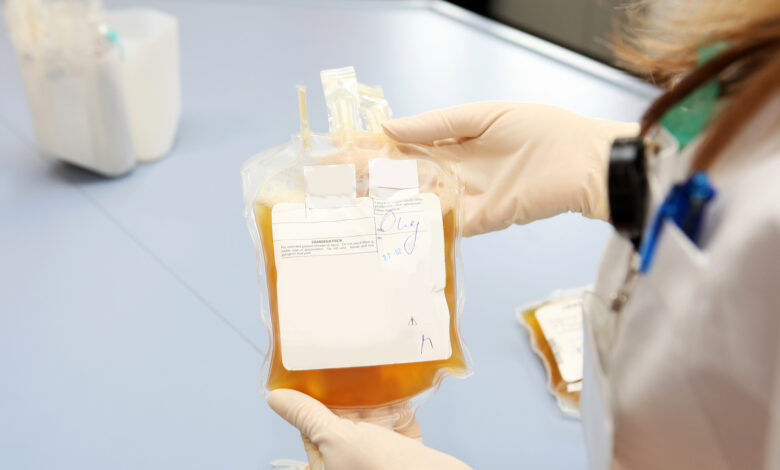
Plasma, the component of blood that remains after the red and white blood cells and platelets have been removed, can be described as the liquid gold of your blood. It is a yellowish fluid that makes up about 55% of total blood volume and serves several critical functions in the body. Rich in proteins, electrolytes, hormones, and waste products, plasma carries nutrients to cells, helps in the transport of waste away from those cells, and plays a vital role in maintaining blood pressure and volume. With its high concentration of immunoglobulins (antibodies), albumin, and clotting factors, plasma is crucial for medical treatments and research. While red blood cells have long been the focus of donations, plasma has surged in importance, primarily due to its role in producing life-saving therapies for patients with various health conditions such as liver disease, hemophilia, and immune disorders. Recognizing this, many individuals are now looking to donate plasma not merely as an altruistic act but also as a viable means to earn extra cash—a trend that is particularly evident in bustling cities such as Calexico.
The Science Behind Plasma Donation: How It All Works
The process of plasma donation is both straightforward and scientifically intriguing. First, a donor is typically screened to ensure they meet specific health criteria, which includes guidelines regarding age, weight, and overall health status. Once eligibility is assured, the donation begins by inserting a needle into a vein—most commonly in the arm. Blood is drawn out, and it enters a machine known as a plasmapheresis device. This device separates plasma from the other blood components by using a centrifuge that spins the blood at high speeds. As a result, the heavier cells (red blood cells and white blood cells) settle at the bottom, while the lighter plasma is collected on top. After the plasma has been isolated, the remaining components are mixed with a saline solution and returned to the donor. Such a process typically takes about 45 minutes to an hour, and donors can safely give plasma once every 28 days. This recycling aspect of blood donation not only makes it efficient but also ensures that the donor’s body can quickly replenish lost plasma, often within 24 hours.
Cash for Plasma: Who’s Paying and How Much Can You Earn?
Factors Affecting Your Earnings: Frequency and Donation Type
While donating plasma for money in Calexico can be appealing, various factors impact how much you can earn. Firstly, the frequency of your donations plays a considerable role. The U.S. Food and Drug Administration (FDA) regulations state that individuals can donate plasma up to twice a week, allowing for potentially substantial earnings on a monthly basis. Moreover, the type of plasma product can also affect compensation. For instance, some donors might be eligible for specialized programs that harvest specific types of plasma, such as that rich in immunoglobulins, which might offer higher payouts. Additionally, special campaigns might encourage donations through increased compensations like bonuses or competitive prizes for a commitment to donate consistently. This creates an ebb and flow in the earning potential that prospective donors should be aware of, particularly if they are looking to maximize their earnings through plasma donation.
The Health Benefits of Donating Plasma: More Than Just a Paycheck
Boosting Your Immune System: The Hidden Perks of Plasma Donation
Donating plasma is not only a lucrative means of earning extra cash; many donors report several health benefits that accompany the donation process. Research suggests that regular plasma donation can stimulate the immune system, enhancing overall health. This occurs because the immune system tends to react to the moderate reduction in plasma proteins, resulting in increased production of these components. Furthermore, many plasma donors experience improvements in wellbeing through routine health checks that accompany each donation, offering a snapshot of their health status and potential early detection of any underlying issues. For individuals particularly interested in health and fitness, this can serve as a form of proactive healthcare management, solidifying an ongoing relationship with their health that extends beyond the donation chair.
Your Contribution: How Plasma Helps Patients and Research
Understanding the broader impact of plasma donation is essential for many donors, particularly those motivated by the altruistic nature of helping others. Plasma is used to produce therapies that can save lives—immunotherapy treatments for cancers, for instance, rely on specific sourced plasma; in addition, clotting factor products developed from plasma are critical for patients with hemophilia. Moreover, plasma has made significant contributions to therapeutic research, supporting clinical trials and studies seeking to understand various diseases, particularly autoimmune conditions. By donating plasma, individuals within Calexico partake in a chain of medical progress and research advancement that can create opportunities for emerging therapies. The psychological and emotional satisfaction in knowing that one’s donation may directly impact lives reassures many—transforming the act of donating plasma from simply a transactional process into a meaningful and impactful contribution to society.
Navigating the Donation Process: Tips for a Smooth Experience
What to Expect on Your First Visit: Step-by-Step Guide
For new donors, the plasma donation experience can feel overwhelming, but understanding what to expect can make the process considerably easier. Upon arriving at a donation center, you will first complete an initial registration, which includes a health screening and a questionnaire regarding your medical history and lifestyle. This step is crucial to identifying any health risks and ensuring your safety during the donation. Following the screening, if you are cleared to donate, you will be escorted to a comfortable donation chair. At this point, the staff will explain the donation process in detail, so feel free to ask any questions. Once the donation begins, you may feel a slight pinprick when the needle is inserted, but the overall process is painless. Afterward, you will be monitored for a brief period to ensure your recovery before you’re free to enjoy refreshments typically provided post-donation. New donors should aim to arrive well-hydrated and without restrictions like fatigue or illness lingering from the day before. As first impressions count, expect the staff to be helpful and encouraging, as their goal is to make your donation experience as positive as possible.
Preparing for Donation: Dos and Don’ts for a Successful Session
Preparation plays a pivotal role in ensuring a successful plasma donation session. Donors should familiarize themselves with important dos and don’ts. Firstly, do hydrate thoroughly for at least 24 hours before your appointment; drinking extra water helps increase plasma volume, making the donation process smoother and quicker. Do also consume a nutritious meal beforehand, rich in proteins and iron, as these nutrients can improve donation outcomes and reduce feelings of fatigue afterwards. Conversely, avoid caffeine and alcohol prior to your visit since these can lead to dehydration and discomfort during the process. In terms of attire, do wear clothing with sleeves that can easily be rolled up, as this gives the technicians easy access to your arm. Lastly, do not engage in strenuous activities immediately before your appointment; physical exertion can affect your body’s readiness for donating plasma. Following these guidelines will ensure you maximize both your comfort and earnings from plasma donation, allowing you to contribute to a greater cause while receiving the benefits that accompany your commitment.
FAQ
Question: How often can I donate plasma? – According to FDA regulations, individuals can donate plasma up to twice a week, offering potential for increased earnings.
Question: Is there an age limit for donating plasma? – Generally, donors must be at least 18 years old to donate plasma, although specific age requirements may vary by donation center.
Question: What is the process for becoming a regular donor? – To become a regular donor, one must first complete an initial screening and donation, and then can return up to twice a week, following center guidelines.
Question: Can I donate plasma if I have a medical condition? – It depends on the specific condition and its management; potential donors should consult with the donation center or their healthcare provider for guidance.
Question: What types of rewards or incentives can I expect for donating plasma? – Many centers offer initial high compensation rates for new donors, along with bonuses and promotional incentives for regular donors during specific campaigns.
Question: Are there any health risks associated with donating plasma? – While donating plasma is generally safe, some donors may experience side effects such as dizziness or fatigue; it’s important to follow preparation guidelines to minimize risks.
Question: How long does the plasma donation process take? – The plasma donation process typically takes about 45 minutes to an hour, including the screening and the actual donation.
Question: What should I do if I feel unwell after donating plasma? – If you feel unwell after donating, it’s advisable to notify the staff immediately, as they are trained to assist and ensure donor safety during recovery.
Useful Resources
- American Red Cross Blood Services
- gov
- Plasma Therapy Association
- S. Food and Drug Administration (FDA)
- Centers for Disease Control and Prevention (CDC)
- America’s Blood Centers
- Healthline
- Mayo Clinic


