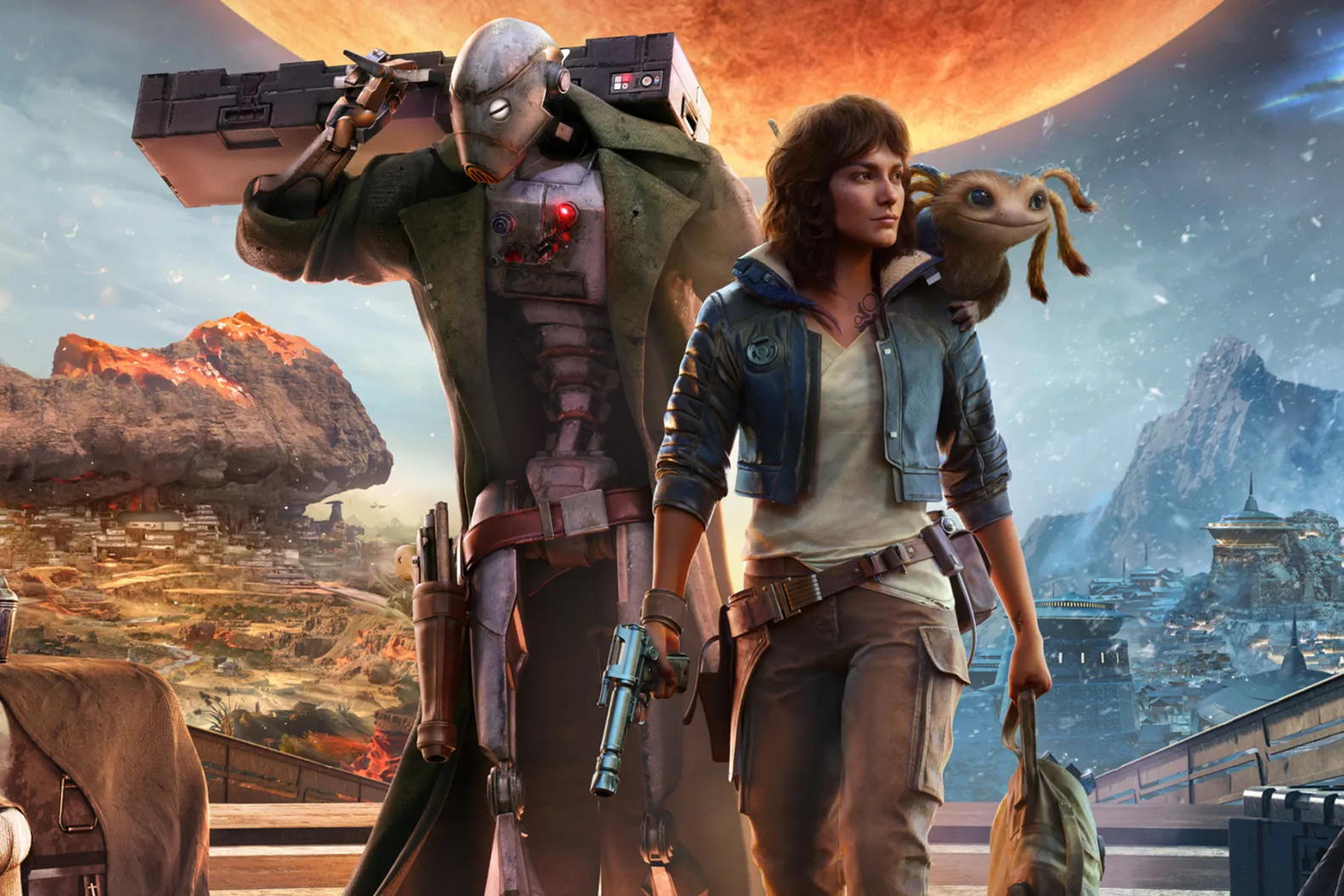
Games have been an integral part of human culture for centuries, serving as a source of entertainment, competition, and social connection. From ancient board games to modern video games, the concept of gaming has evolved into a multibillion-dollar industry that spans digital, physical, and even augmented realities. Understanding the types of games, gaming trends, benefits, and industry impact provides insight into why games continue to captivate audiences worldwide.
The Evolution of Games
Games have existed for thousands of years, reflecting cultural traditions and societal evolution. Early examples include board games like Senet in ancient Egypt, Chess in India, and Go in China. These games not only entertained but also developed strategic thinking, problem-solving, and social skills.
With technological advances, games expanded into the digital realm. The late 20th century saw the rise of video games, with iconic titles such as Pac-Man, Super Mario, and Tetris paving the way for today’s sophisticated gaming industry. Modern games incorporate virtual reality, augmented reality, and online multiplayer experiences, transforming how people interact with digital worlds.
Types of Games
Games can be broadly categorized into several types based on format and experience:
- Video Games: These digital games are played on consoles, PCs, or mobile devices. Popular genres include action, adventure, role-playing (RPG), simulation, strategy, and sports. Video games often combine storytelling, interactive mechanics, and realistic graphics to create immersive experiences.
- Board Games: Classic games like Monopoly, Settlers of Catan, and Risk offer social interaction and strategic thinking. Board games promote collaboration, negotiation, and problem-solving skills.
- Card Games: Poker, Magic: The Gathering, and Uno are examples of games that rely on strategy, luck, and social engagement.
- Sports and Physical Games: Traditional sports like soccer, basketball, and tennis provide physical activity, competition, and teamwork opportunities. Physical games can also include playground activities and fitness-based gaming.
- Educational Games: These games combine learning with entertainment, promoting cognitive development, memory, and problem-solving. Examples include language learning apps, puzzles, and interactive simulations.
- Augmented and Virtual Reality Games: AR and VR games create immersive experiences by blending real-world environments with digital elements. Popular examples include Pokémon GO (AR) and Beat Saber (VR).
Popular Game Genres
Understanding gaming genres helps players identify experiences that match their interests:
- Action Games: Fast-paced games requiring reflexes and hand-eye coordination, such as first-person shooters and platformers.
- Adventure Games: Story-driven games that focus on exploration, puzzle-solving, and narrative development.
- Role-Playing Games (RPGs): Players assume character roles, making choices that influence story progression and character development.
- Simulation Games: These mimic real-life experiences, including city-building, farming, or flight simulation games.
- Strategy Games: Require planning, resource management, and tactical decision-making. Examples include real-time strategy (RTS) and turn-based strategy games.
- Sports and Racing Games: Replicate real-life sports or racing experiences, offering competitive gameplay and skill development.
- Casual and Mobile Games: Accessible games for short play sessions, often including puzzles, matching, or simple action mechanics.
The Social and Cognitive Benefits of Gaming
While games are often associated with entertainment, they offer numerous cognitive, emotional, and social benefits:
- Problem-Solving Skills: Strategy and puzzle games enhance critical thinking and decision-making abilities.
- Hand-Eye Coordination: Action and simulation games improve reflexes and motor skills.
- Memory and Concentration: RPGs and complex strategy games challenge players to remember details, plan ahead, and maintain focus.
- Social Interaction: Multiplayer games foster communication, teamwork, and collaboration. Online communities create global connections among players.
- Stress Relief: Gaming provides a form of escapism and relaxation, reducing stress and improving mood.
- Creativity and Imagination: Open-world and sandbox games encourage players to explore, build, and create, promoting imaginative thinking.
Gaming Industry Trends
The gaming industry continues to evolve rapidly, driven by technological advancements and changing consumer preferences. Key trends include:
- Mobile Gaming Expansion: Mobile games have become a dominant sector, offering accessibility and diverse experiences for casual and hardcore players alike.
- Cloud Gaming: Cloud-based platforms allow users to stream games without high-end hardware, expanding accessibility and convenience.
- Esports Growth: Competitive gaming has grown into a professional industry with global tournaments, sponsorships, and spectator events.
- Cross-Platform Play: Gamers can play with friends across different devices, breaking traditional platform barriers.
- Indie Game Development: Independent developers create innovative and artistic games that challenge mainstream conventions.
- Integration of AI: Artificial intelligence enhances gameplay, adaptive challenges, and realistic NPC behavior.
- Virtual and Augmented Reality Expansion: VR and AR games provide immersive experiences, creating new storytelling and interactive opportunities.
The Economic Impact of Games
The gaming industry is a significant economic driver worldwide, influencing technology, entertainment, and culture:
- Revenue Generation: Gaming generates billions in revenue annually through game sales, in-app purchases, subscriptions, and merchandising.
- Employment Opportunities: Game development, design, marketing, and esports create jobs across multiple sectors.
- Technological Innovation: Advances in graphics, AI, and virtual reality benefit other industries, including education, healthcare, and simulation training.
- Global Cultural Influence: Games influence trends in media, fashion, and social interactions, shaping modern culture.
Responsible Gaming Practices
While gaming has numerous benefits, responsible gaming ensures a healthy balance between entertainment and daily life:
- Time Management: Limiting gaming sessions prevents interference with work, studies, and social interactions.
- Physical Activity: Incorporating exercise and breaks reduces the risk of sedentary lifestyle-related issues.
- Age-Appropriate Content: Choosing games suitable for age ensures content aligns with cognitive and emotional maturity.
- Digital Wellbeing Tools: Many platforms provide monitoring features to track screen time and set usage limits.
- Awareness of Addiction Risks: Recognizing signs of gaming addiction and seeking professional support when necessary maintains mental health.
FAQs About Games
- What are the benefits of playing video games?
Video games improve problem-solving, hand-eye coordination, memory, creativity, and social interaction. - How do games impact cognitive development?
Strategy, puzzle, and simulation games enhance critical thinking, planning, concentration, and memory skills. - What is the difference between casual and hardcore gaming?
Casual games are simple, accessible, and often mobile-based, while hardcore games require dedicated time, skill, and investment in complex gameplay. - How has esports influenced the gaming industry?
Esports has professionalized competitive gaming, creating global tournaments, sponsorships, and spectator communities. - Are mobile games as engaging as console or PC games?
Mobile games offer convenience and accessibility and include genres that appeal to both casual and dedicated gamers. - What role does virtual reality play in modern gaming?
VR provides immersive experiences, enhancing interactivity, storytelling, and sensory engagement. - How can parents ensure responsible gaming for children?
Set time limits, choose age-appropriate games, encourage breaks, and promote physical activity alongside gaming.
Conclusion
Games are a dynamic and multifaceted part of modern entertainment, combining fun, challenge, and cultural significance. From traditional board games to advanced virtual reality experiences, gaming continues to evolve, offering diverse experiences for players of all ages. By understanding game genres, industry trends, benefits, and responsible practices, individuals can enjoy gaming while fostering cognitive development, social engagement, and creative exploration. The future of gaming promises even greater innovation, global connectivity, and immersive experiences that will continue to captivate audiences worldwide.


