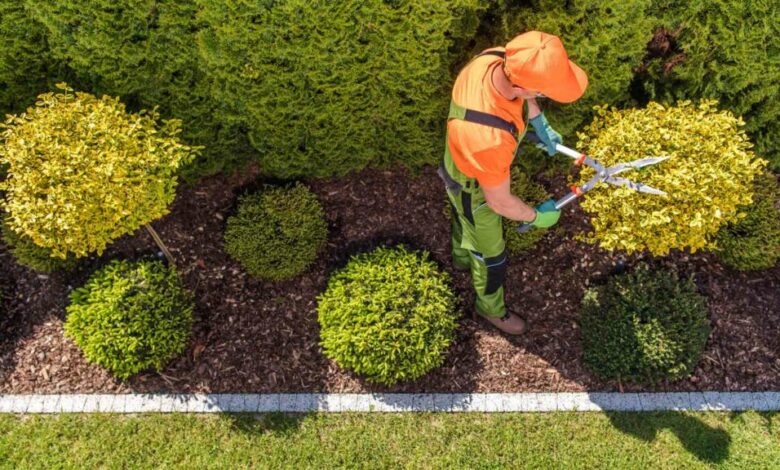
Understanding the Art of Shrub Trimming: A Primer for Enthusiasts
The Importance of Timing: When to Trim for Maximum Growth
Shrub trimming is as much an art as it is a science, and timing plays a critical role in the health and appearance of your plants. The consensus among horticulturists is that the optimal time to trim most shrubs is during their dormant period, usually late winter to early spring. During this off-season, shrubs conserve energy and redirect their resources towards new growth in the spring. This timing is vital for flowering shrubs; if you trim them too late in the spring, you risk cutting off the buds that were set the previous year. Conversely, some flowering shrubs bloom on new growth, meaning they can be trimmed in late winter or early spring without compromising their blossoms. Knowing the specific growth patterns of your shrub species can make all the difference in fostering a vibrant garden.
Furthermore, seasonality is not the sole consideration. Geographic location and local climate also influence the best timing for pruning. In warmer climates, some shrubs may start their growth cycle earlier than in colder regions. Therefore, local knowledge combined with understanding specific plant needs will help you discern the perfect pruning window, ensuring your shrubs thrive and flourish as intended.
Tools of the Trade: Must-Have Equipment for Precision Trimming
The right tools are essential for effective shrub trimming, influencing not only the quality of your cuts but also your overall experience during the process. Shinier, sharper tools ensure clean cuts, minimizing damage to the plant. Basic tools include hand pruners, which are ideal for smaller branches; loppers for those thicker, more stubborn limbs; and hedge trimmers for larger shrubs that need a more consistent size. A good pair of gloves is advisable to protect against thorns and rough branches, and safety goggles can shield your eyes from wayward twigs.
For the more adventurous gardener, electric shears have become a popular choice, particularly for larger yards or professional landscaping businesses. These tools allow for quick, efficient trimming and can significantly reduce the time spent maintaining your garden. Yet, regardless of which tools you choose, they require regular maintenance—sharp blades should be oiled and cleaned after each use to prevent rust and maintain optimal performance. Remember, investing in quality tools can save you time and effort in the long run, enabling a more enjoyable and effective trimming experience.
Techniques that Transform: Mastering the Craft of Shrub Sculpting
Shaping Your Shrubs: The Contours of Aesthetic Design
The craft of shrub shaping goes beyond mere aesthetics; it enhances the overall garden design and complements the surrounding landscape. Understanding the growth habit of the particular shrub species allows you to shape and trim them in a way that highlights their natural beauty while also creating harmony within your garden. For instance, rounded shrubs can soften edges, while angular geometric shapes can provide modernity and structure to garden designs. Mastering different cutting techniques, like the ‘thinning cut’, can help reshape shrubs to allow more light in, enhancing their growth and the visual appeal of your garden.
To achieve a well-shaped shrub, it is essential to trim following the natural silhouette of the plant. This approach not only maximizes growth but also maintains a healthy, vigorous shrub. When tackling a shrub, visually break it down into sections, trimming from the bottom and slightly angling your cuts to produce a layered look. This process encourages air circulation and light penetration, which are both essential for overall plant health. Moreover, varying shrub heights within a landscape can create depth and dimension, making your garden appear more intricate and lively.
Pruning vs. Shearing: Knowing the Difference for Healthier Plants
The distinction between pruning and shearing may seem subtle but is significant in promoting healthy shrub growth. Pruning is the intentional removal of specific branches or stems for the purpose of improving the plant’s health, shape, or flower production. It involves targeted cuts made based on the gardener’s knowledge of the shrub’s growth habits, and therefore requires insight into which branches need removal. While it might feel daunting, proper pruning encourages new growth and ensures the shrub remains healthy in the long term.
On the other hand, shearing is the more mechanical approach of cutting shrubs into a uniform shape, often resulting in a ‘boxy’ aesthetic. Many gardeners default to shearing out of convenience, but such uniformity can lead to health issues within the plant, such as reduced blooming and pests taking hold in stagnant air pockets. Ideally, a blend of both approaches should be utilized; use pruning for younger, more vigorous shrubs and shearing for established hedges needing maintenance. This balanced strategy will promote a healthier, more resilient plant life.
Common Mistakes to Avoid: Navigating the Pitfalls of Shrub Care
Overzealous Trimming: How Less Can Be More
Many gardeners, in their eagerness to maintain their landscaping, fall victim to the mistake of over-trimming. The instinct to ‘clean up’ a shrub often leads to excessive cutting, which can shock the plant, leading to stunted growth or even plant death. Plants naturally adapt to their environments, so understanding that shrubs are not solely aesthetic features but living entities is crucial. Less can indeed be more when it comes to trimming, as allowing a plant to retain some of its natural structure promotes health and vigor.
A practical approach is to evaluate before you cut; assess the current health of the shrub, its growth patterns, and the existing landscape. The 1/3 rule is a reasonable guideline for trimming: don’t remove more than a third of the shrub’s foliage at any one time. This strategy helps to maintain adequate foliage for photosynthesis, which is essential for recovering plant energy levels post-trimming. Additionally, trimming in moderation over time promotes robust growth rather than sporadic growth spurts, resulting in a healthier and more beautiful shrub.
Pest Prevention: Protecting your Shrubs Beyond the Shears
Once trimming duties are completed, the focus should shift towards pest prevention. Shrubs are often susceptible to various pests that can wreak havoc on their growth and overall health. Common pests, including aphids, mites, and whiteflies, tend to take advantage of stressed or weakened shrubs, making preventive measures essential. Incorporating companion planting, where certain plants work symbiotically to deter pests, can be an effective strategy. For example, marigolds are known for repelling nematodes and aphids, making them an ideal companion to many shrubs.
Regular monitoring for signs of infestation combined with healthy cultural practices, such as maintaining appropriate watering and avoiding overcrowding, can also help. In addition, consider implementing organic methods of pest control, such as neem oil or insecticidal soaps. These alternatives are safer for the environment and can be effective in keeping pests at bay, ensuring the longevity of your shrubs. By prioritizing pest prevention, you are fostering an overall healthier landscape that will be both vibrant and sustainable.
Creating Your Dream Landscape: Integrating Shrubs into Your Garden Design
Choosing the Right Shrubs: Factors to Consider for Your Climate
When planning your dream landscape, selecting the right shrubs is perhaps the most critical step. The ideal shrub must be well-suited to your local climate, soil conditions, and the specific environment you’re cultivating. Hardiness zones are a great component to consider while choosing plants; understanding whether the shrub can withstand temperatures in your area is essential. Indigenous plants are often a prime choice as they are generally better adapted to local pests, diseases, and climate conditions. For example, planting a native dogwood in temperate regions can create not only a stunning aesthetic but also a wildlife-friendly landscape.
Free online resources, such as local extension services or plant databases, can provide valuable information about the types of shrubs that thrive in your area. Moreover, considering the accompanying soil conditions is crucial; for instance, azaleas prefer acidic soil, while many viburnums are tolerant of alkaline conditions. Understanding your garden’s microclimates helps in selecting shrubs that will flourish with minimal upkeep. Ultimately, the right shrubs can transform not just the visibility of your garden but also its ecological balance.
Color, Texture, and Form: Crafting a Cohesive Garden Aesthetic
Finally, when integrating shrubs into your garden, grasping the concepts of color, texture, and form will elevate your landscape design from ordinary to extraordinary. Color can provide both diversity and unity; pairing lush green foliage alongside flowering shrubs can create a visual feast that draws the eye and provides seasonal interest. For example, the vibrant reds and yellows of autumn foliage can beautifully contrast with evergreens, creating a dynamic visual experience throughout the year.
Moreover, texture plays a pivotal role. Mixing fine-textured plants, such as ferns and delicate flowering shrubs, against coarse-leaved species can create depth and interest. This diversity not only provides a rich visual landscape but also helps in establishing a balanced ecosystem that attracts a wide array of pollinators. Form is equally significant; selecting shrubs with varied growth habits—some that might grow upright and others that may cascade—allows for a more creative and engaging garden space. Focusing on these elements, when selecting and placing shrubs, will ultimately contribute to a cohesive garden aesthetic that transforms your landscape into a stunning sanctuary.
FAQ
Question: How often should shrubs be trimmed? – The frequency of trimming depends on the specific shrub species and its growth rate; generally, a once or twice a year schedule is adequate for most shrubs, ensuring they remain healthy and attractive.
Question: What are the signs that a shrub needs trimming? – Signs that a shrub requires trimming include overgrowth, dead or diseased branches, and a lack of blooms; if a shrub appears bushy or unkempt, it may benefit from a trim.
Question: Can I trim shrubs during the summer? – While summer trimming is possible, it is generally advised to avoid significant pruning during this time; instead, light trimming or deadheading can be done to maintain shape without compromising the plant’s energy reserves.
Question: What tools are best for trimming different types of shrubs? – Hand pruners are excellent for small branches, loppers are ideal for thicker stems, and hedge trimmers work well for larger shrubs; for intricate shaping, electric shears can be useful.
Question: How do I know if I’m over-trimming my shrubs? – Over-trimming can lead to sparse foliage, stunted growth, and dieback; adhering to the 1/3 rule—removing no more than a third of the foliage at any one time—can help prevent over-trimming.
Question: What factors should I consider when choosing shrubs for my garden? – Consider your local climate, soil conditions, sunlight exposure, and the intended aesthetic; selecting native shrubs that thrive in your area is often a good choice for lower maintenance.
Question: How can I promote healthy growth after trimming? – After trimming, ensure your shrubs receive adequate water, mulch to retain moisture, and monitor for pests; continued care and attention to watering needs will foster healthy growth.
Question: Are there specific pest prevention methods for shrubs? – Implementing companion planting, practicing regular monitoring, and using organic pest control options such as neem oil can effectively protect shrubs from pests while promoting a healthy garden ecosystem.
Useful Resources
- University Extension Services
- Arbor Day Foundation
- Royal Horticultural Society
- International Society of Arboriculture
- Purdue Landscape Report
- American Horticultural Society
- Plant Native
- National Garden Clubs, Inc.


