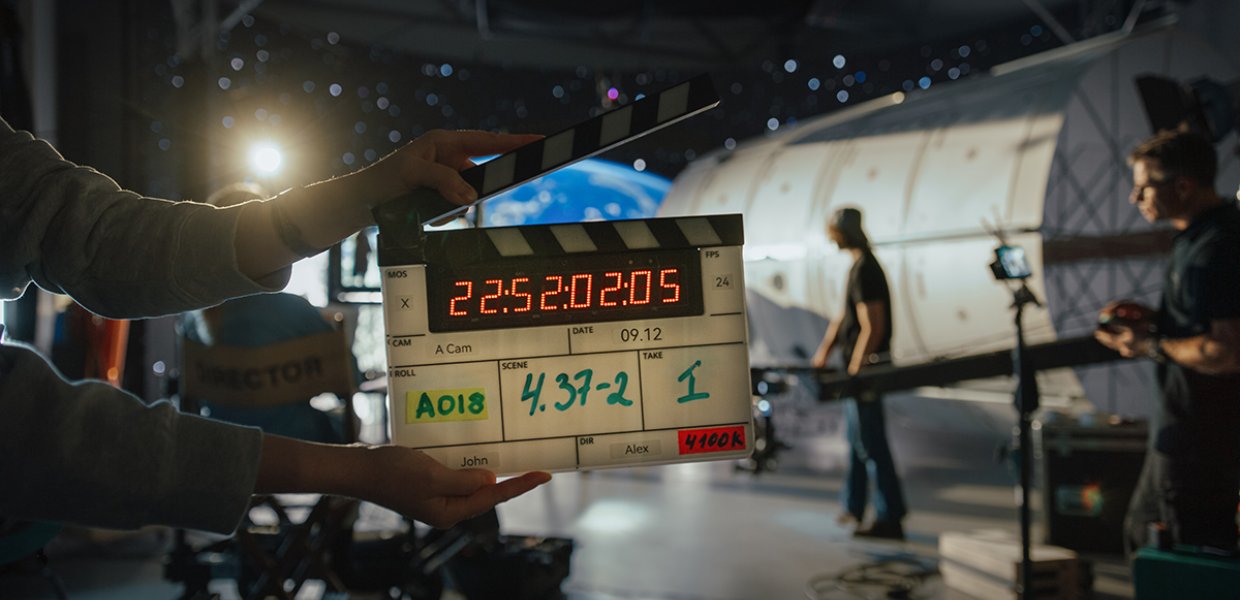
Entertainment plays a central role in human culture, providing joy, relaxation, and a sense of community. From the earliest cave paintings to modern virtual reality experiences, entertainment has evolved to reflect societal trends, technological innovations, and individual preferences. Today, it encompasses a wide range of media, performances, and digital platforms that engage global audiences. Understanding the scope and evolution of entertainment is essential for industry professionals, enthusiasts, and everyday consumers.
The History and Evolution of Entertainment
Entertainment has always been a reflection of human creativity and cultural development. Ancient societies engaged in storytelling, music, dance, and theatrical performances to convey traditions, values, and historical events. Over time, the introduction of new technologies and media transformed entertainment in profound ways.
- Ancient and Classical Entertainment: Early humans entertained through oral storytelling, music, dance, and ritualistic performances. Ancient Greeks developed theater with structured plays, while Romans popularized gladiatorial games and public spectacles.
- The Rise of Cinema and Radio: The 20th century introduced mass entertainment through cinema, radio, and eventually television. Movies became a major cultural phenomenon, creating international stars and iconic film genres.
- Music Evolution: From classical compositions to jazz, rock, pop, and hip-hop, music has continuously evolved while reflecting societal changes and technological innovations.
- Digital Transformation: The internet, streaming platforms, and video games have revolutionized entertainment, providing instant access to diverse content and interactive experiences worldwide.
Major Forms of Entertainment Today
Entertainment today is multi-faceted, combining traditional and digital forms to cater to diverse audiences. Key categories include:
- Film and Television
The film and television industry continues to dominate entertainment, offering diverse genres ranging from drama, comedy, and action to documentaries and reality TV. Streaming platforms such as Netflix, Amazon Prime, and Disney+ have transformed how audiences consume content, allowing on-demand viewing and original productions. High-budget films, web series, and mini-series cater to global tastes, while technological advancements in CGI and special effects enhance visual storytelling. - Music and Performing Arts
Music remains one of the most universally enjoyed forms of entertainment. Digital platforms such as Spotify, Apple Music, and YouTube have revolutionized music distribution, providing artists with global reach. Live performances, concerts, and festivals continue to draw massive audiences, blending music with immersive visual and digital experiences. Additionally, performing arts such as theater, ballet, and opera maintain cultural significance and provide audiences with traditional and contemporary artistic experiences. - Gaming and Interactive Entertainment
Video games have become a major segment of modern entertainment. From casual mobile games to complex multiplayer online experiences, gaming caters to all age groups. The rise of esports has further professionalized gaming, with tournaments offering substantial prize money and global viewership. Virtual reality (VR) and augmented reality (AR) have introduced immersive gaming experiences that engage players in dynamic, interactive worlds. - Digital Content and Social Media
Platforms like TikTok, Instagram, and YouTube enable content creators to reach millions with short-form videos, tutorials, and live streams. Social media entertainment thrives on trends, challenges, and viral content, often influencing popular culture and mainstream media. These platforms have democratized entertainment by allowing creators to produce content without traditional industry barriers. - Live Events and Experiences
Concerts, theater productions, sports events, and festivals remain essential entertainment experiences. Even with the rise of digital platforms, live events provide a sense of community, engagement, and shared excitement that cannot be replicated online. Innovations such as hybrid events, combining in-person and virtual attendance, have expanded accessibility and audience reach.
Trends Shaping Modern Entertainment
The entertainment industry is constantly evolving, influenced by technological advancements, audience preferences, and cultural trends. Notable trends include:
- Streaming Dominance: Subscription-based streaming services continue to grow, providing viewers with diverse content libraries and original programming.
- Immersive Technologies: VR, AR, and 3D experiences are transforming gaming, movies, and live performances, offering interactive and immersive engagement.
- User-Generated Content: Platforms enabling user-created content, such as TikTok and YouTube, empower creators and influence mainstream entertainment.
- Personalization and AI: AI-driven recommendations, personalized playlists, and interactive storytelling tailor entertainment experiences to individual preferences.
- Cross-Media Integration: Franchises now expand across films, video games, music, merchandise, and live experiences, creating multi-dimensional entertainment ecosystems.
The Impact of Entertainment on Society
Entertainment has profound social, cultural, and economic effects. It serves as a source of relaxation, education, and social bonding while reflecting and shaping societal values. Key impacts include:
- Cultural Exchange: Global access to films, music, and games promotes cross-cultural understanding and appreciation.
- Economic Contributions: Entertainment industries generate significant revenue through ticket sales, subscriptions, merchandise, advertising, and tourism.
- Social Connectivity: Social media, online gaming, and live events connect people worldwide, fostering communities around shared interests.
- Education and Awareness: Documentaries, informational content, and educational games combine entertainment with learning, raising awareness about important issues.
- Mental Wellbeing: Engaging in entertainment activities provides stress relief, emotional expression, and cognitive stimulation.
Challenges in the Entertainment Industry
While the entertainment industry thrives, it faces several challenges:
- Piracy and Copyright Issues: Unauthorized distribution of content affects revenues and intellectual property rights.
- Content Saturation: With a vast array of content available, capturing audience attention is increasingly competitive.
- Digital Fatigue: Overexposure to digital screens and online content can lead to reduced engagement and burnout.
- Diversity and Representation: Ensuring diverse voices, representation, and inclusivity remains an ongoing challenge.
- Economic Disruptions: Global crises, such as pandemics, can impact live events, film production, and tourism-based entertainment sectors.
The Future of Entertainment
The future of entertainment promises innovation, integration, and personalization. Key developments include:
- AI-Enhanced Content Creation: Artificial intelligence will assist in scriptwriting, music composition, and video editing, enabling faster and more creative production.
- Virtual Concerts and Festivals: VR-enabled live experiences will allow audiences worldwide to attend events in immersive virtual environments.
- Interactive Storytelling: Games, films, and streaming content will incorporate interactive narratives where audiences influence outcomes.
- Sustainable Entertainment Practices: Eco-conscious productions, reduced carbon footprints, and ethical content creation will become industry standards.
- Global Collaboration: Cross-border co-productions in film, music, and digital content will continue to increase, reflecting diverse perspectives and reaching broader audiences.
FAQs About Entertainment
- How has streaming changed the entertainment industry?
Streaming platforms provide on-demand access to a vast variety of content, enabling personalized viewing experiences and global reach for creators and audiences. - What is the role of technology in modern entertainment?
Technology enhances engagement through immersive experiences, interactive content, personalized recommendations, and global connectivity. - How do live events contribute to entertainment culture?
Live events offer shared experiences, social interaction, and immersive engagement that digital platforms cannot fully replicate. - What impact does entertainment have on mental wellbeing?
Entertainment provides relaxation, emotional expression, stress relief, and cognitive stimulation, contributing to overall mental health. - Why is diversity important in entertainment content?
Diverse representation ensures inclusivity, reflects societal realities, and allows broader audiences to relate to and engage with content. - What are the challenges facing the gaming sector in entertainment?
Challenges include piracy, over-saturation, maintaining audience engagement, ethical concerns about content, and balancing competitive monetization with user experience. - How are immersive technologies shaping the future of entertainment?
VR, AR, and mixed reality create interactive and immersive experiences, revolutionizing gaming, movies, concerts, and educational entertainment.
Conclusion
Entertainment is a dynamic, ever-changing industry that combines creativity, technology, and human expression. From traditional performances to digital media, gaming, and immersive experiences, entertainment continues to evolve, influencing culture, society, and global connectivity. By embracing technological innovations, promoting diversity, and delivering personalized experiences, the entertainment industry will remain a vital source of joy, learning, and community in the years to come.


